B5 · 2023 · Design research
RE
A packaging system for Indian e-commerce: boxes that open in one step, turn into something else afterwards, and an app that pays you to reuse or return them.
Read the full write-up on MediumResearch, personas, ideation, physical prototypes, the app wireframes, user testing.
Hand-built prototypes tested for how many trips a box survives, and a reward app to go with them. Presented at the India HCI 2024 student design competition.
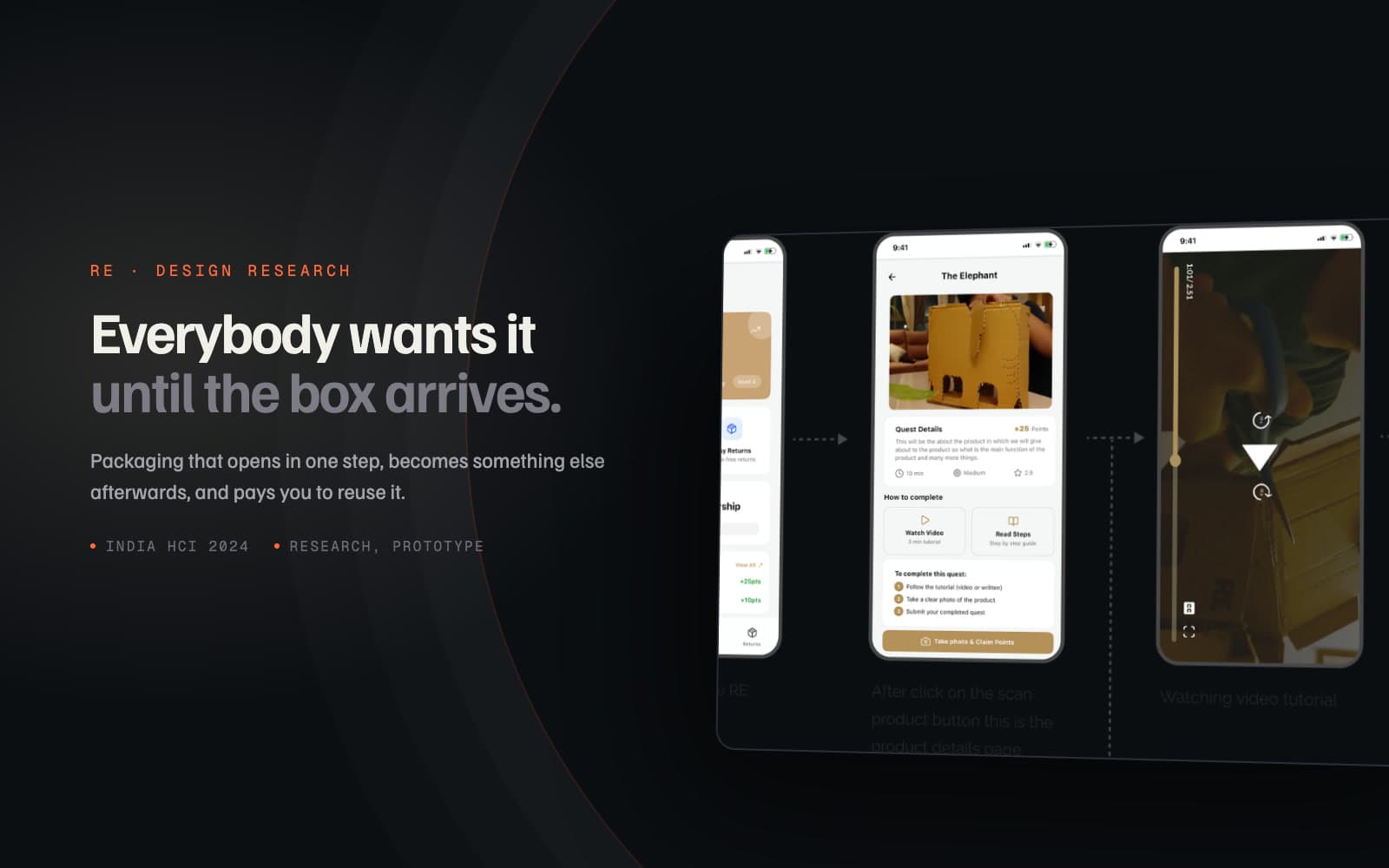
Solving the intent-action gap in e-commerce waste
Indian e-commerce packaging consumption surged over 200% in a decade. Most parcels rely on non-recyclable composite layers (tape, bubble wrap) that end up directly in municipal landfills.
Design Research, Physical Prototyping, Mobile App UX/UI, and Multi-Trip Durability Testing.
Replaced external adhesives with tool-free slider locks, converted cardboard into household organizers, and added a reward-driven return app.
Built physical corrugated cardboard prototypes, validated structural integrity across repeated journeys, and presented at India HCI 2024.
“Everybody says they want sustainable packaging. Then the box arrives, and it goes in the bin, because the bin is easy and sending it back is effort.”
(Consumer Packaging Discard Behavior Study)
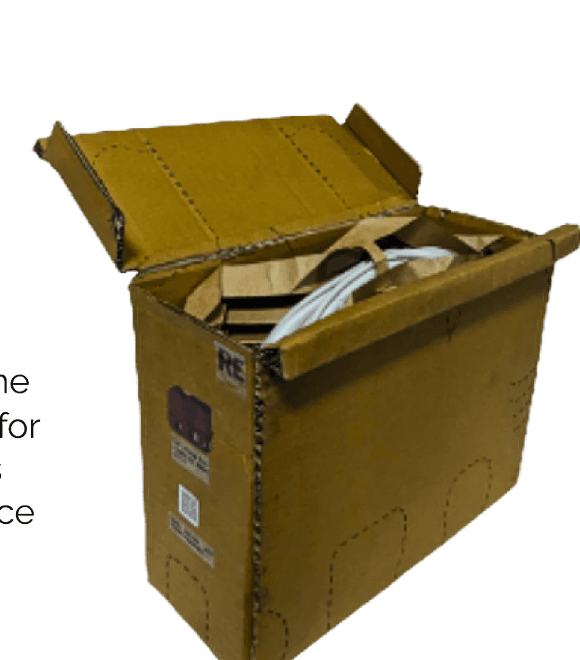
Tool-Free Opening
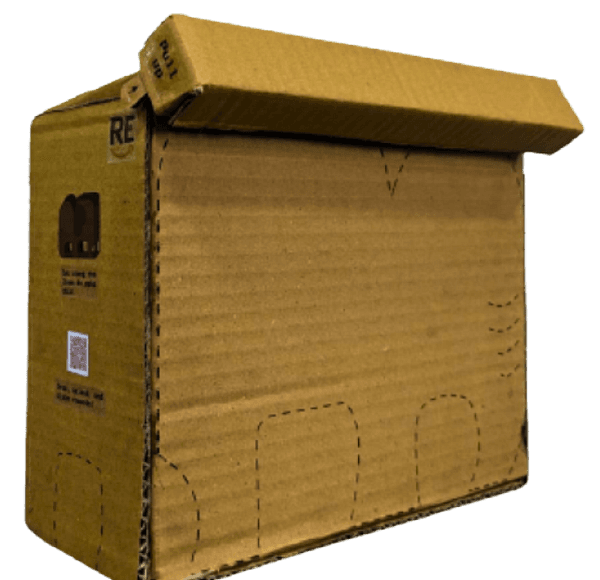
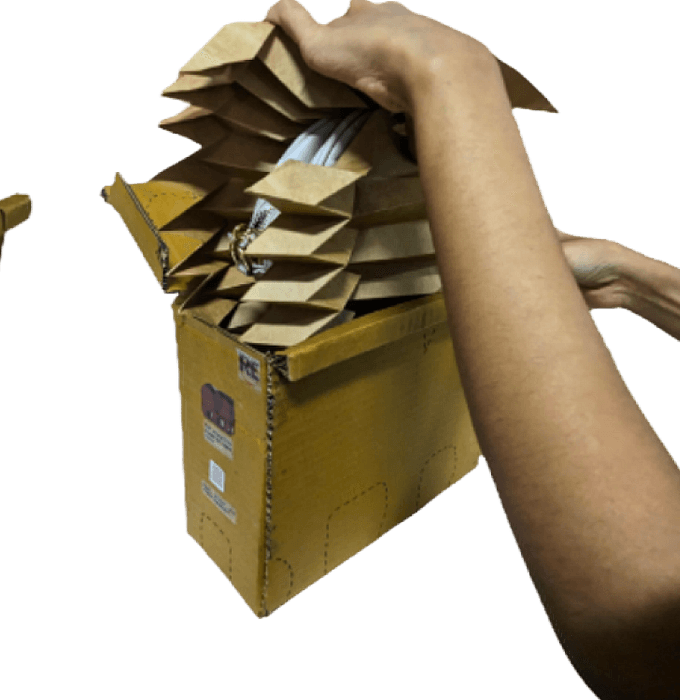
No tape, scissors, or plastic wrap. Slider seal opens cleanly in a single pull motion.
Local Second Life
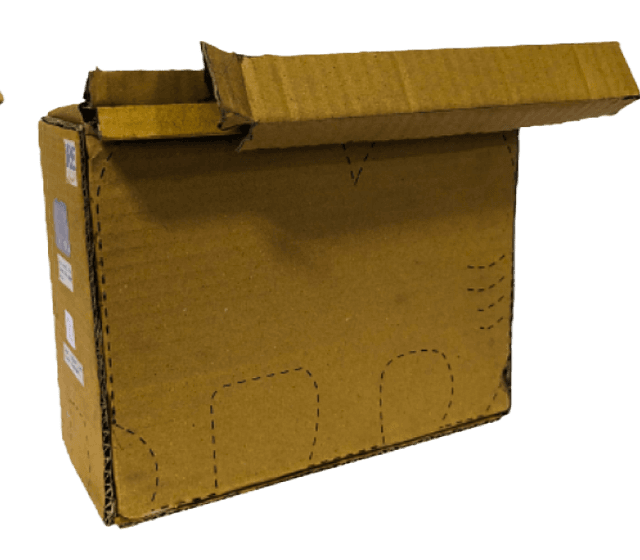
Laser-cut perforation pattern folds into desk organizers without requiring return shipping.
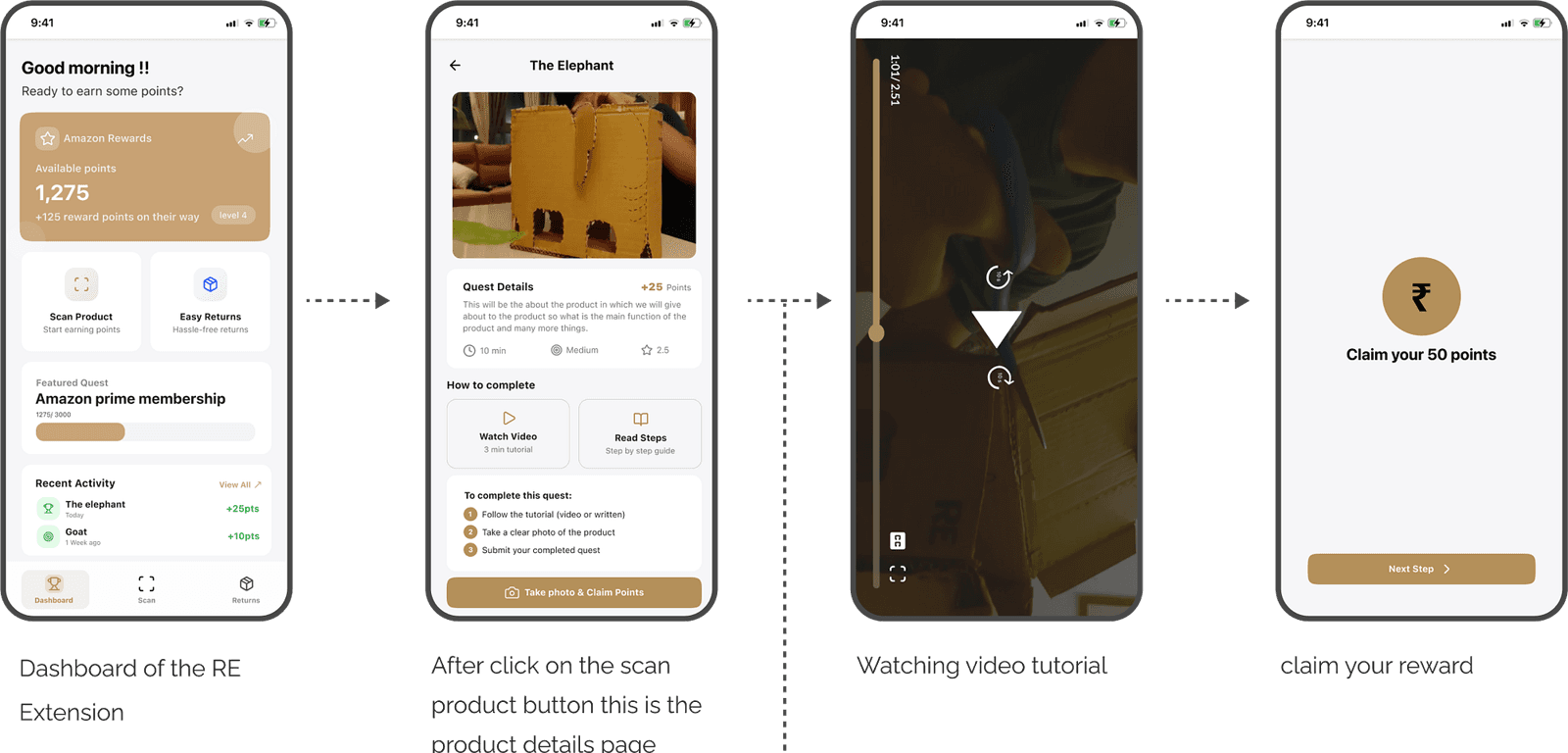
Incentive App
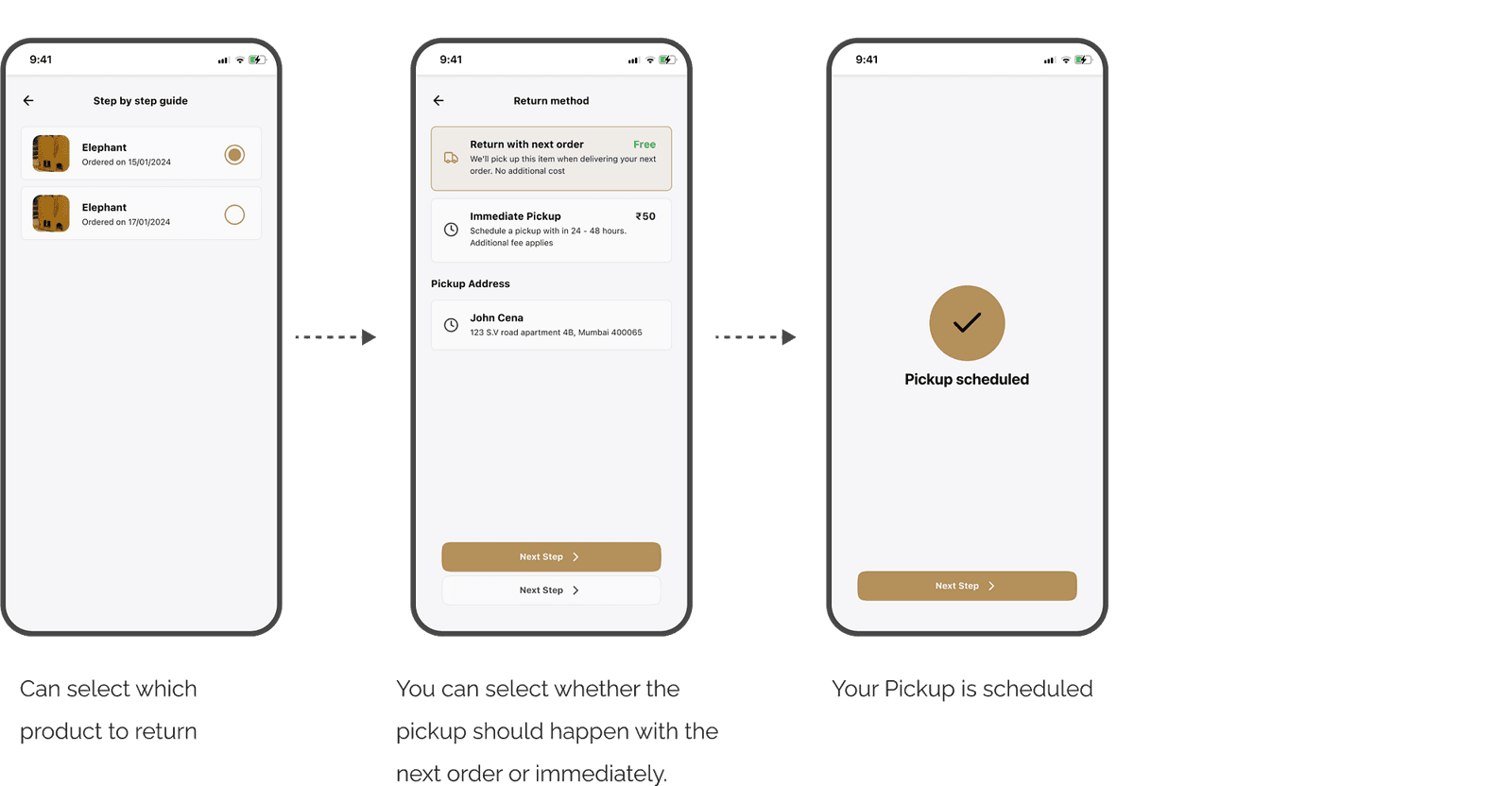
Scanning box QR codes awards redeemable merchant credits for upcycling or scheduling reverse pickup.
The Physical Packaging System
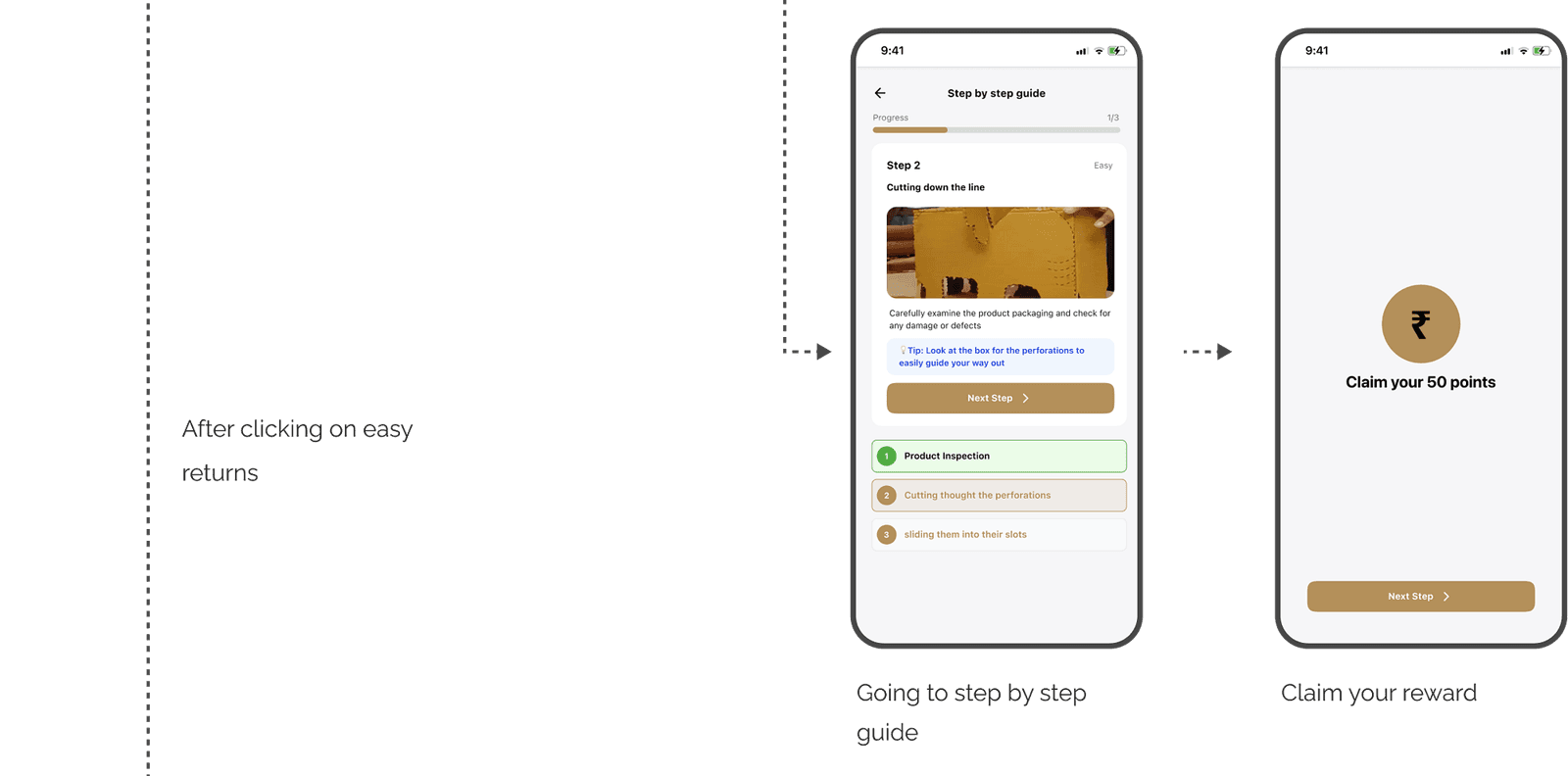
The Digital Companion App
Core Design Decisions
Eliminate tape and composite adhesives structurally
Instead of Using slightly greener tape or biodegradable bubble wrap
Multi-material packaging creates recycling friction because users will not separate plastic tape from wet cardboard. By relying on interlocking geometric tabs and friction sliders, the package opens cleanly in one pull and keeps the fiber reusable.
After Opening requires zero tools, and cardboard stays pristine for immediate secondary use.
Prioritize local upcycling over reverse courier trips
Instead of Mandating return shipping for every empty box
Reverse logistics for cheap corrugated cartons is financially and environmentally expensive. Giving the container an immediate functional second life on the consumer's desk solves the waste problem at the point of consumption.
After Eliminates the carbon overhead of moving empty boxes back across logistics hubs.
Deliver immediate utility and rewards, not moral lectures
Instead of Relying on environmental guilt to motivate recycling actions
Good intentions rarely beat convenience. Tying box interactions to tangible reward points and clear origami-style assembly tutorials turns a packaging discard chore into an engaging micro-activity.
After High engagement driven by instant discount tokens on partnered e-commerce stores.
Academic Validation & Next Steps
We built full-scale cardboard prototypes, paired them with the mobile experience, and put them through rigorous opening, folding, and structural load tests. The project was selected and presented at the India HCI 2024 student design track.
Further commercial scale requires adapting industrial die-cutting tooling for mass production, optimizing tab clearances for humid monsoon storage, and formalizing courier partnership APIs.