B4 · 2024 · System design
Kavach
A safety and communication system for construction sites: wearables at the gate, alcohol checks, SOS with location and medical history, weather in the schedule, and one dashboard for the people who have to act.
Read the full write-up on MediumResearch, the system map, roles and flows, information architecture, dashboard screens, first round of user testing.
A complete system design with a business model canvas behind it. Four roles, one system. Designed, never built.
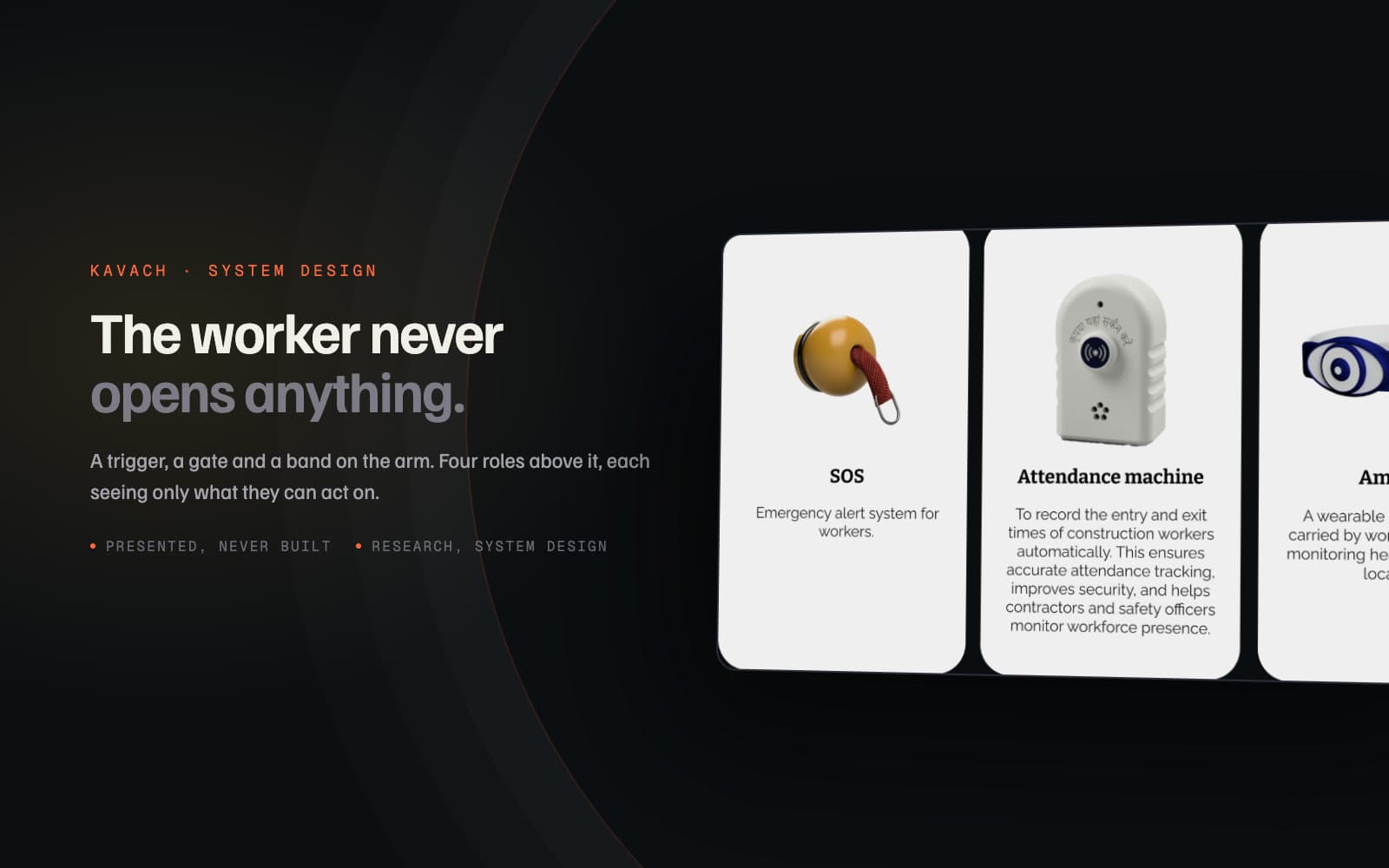
Timelines win over welfare every time
Construction sites suffer high fatality rates because safety gear compliance is unenforced on scaffolds, emergency alarms climb slow hierarchies, and weather disruptions are handled reactively.
System & Service Designer: Field research, service architecture, role-based information flows, UI dashboards, and user testing.
Designed a screenless gate-wearable system for workers and 4 distinct role-based dashboards (Safety Officer, Foreman, Contractor, Builder).
Complete service architecture and business model canvas delivered, bypassing reporting latency and scanning gear compliance at entry.
Construction fatalities are rarely caused by a lack of rules. They occur because safety schemes are disconnected from daily site operations, and emergency escalations take up to twenty minutes to climb manual reporting chains.
“Workers are rarely at a screen. Anything requiring an app download or daily login fails at the entrance gate.”
(Construction Site Safety Audit)
Physical touchpoints: Wearables at the gate
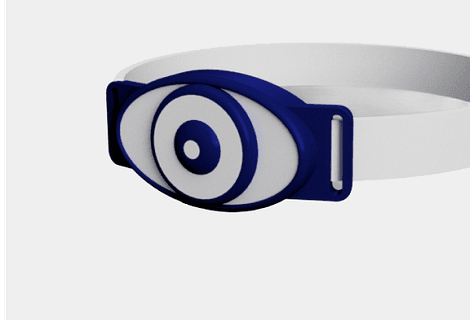
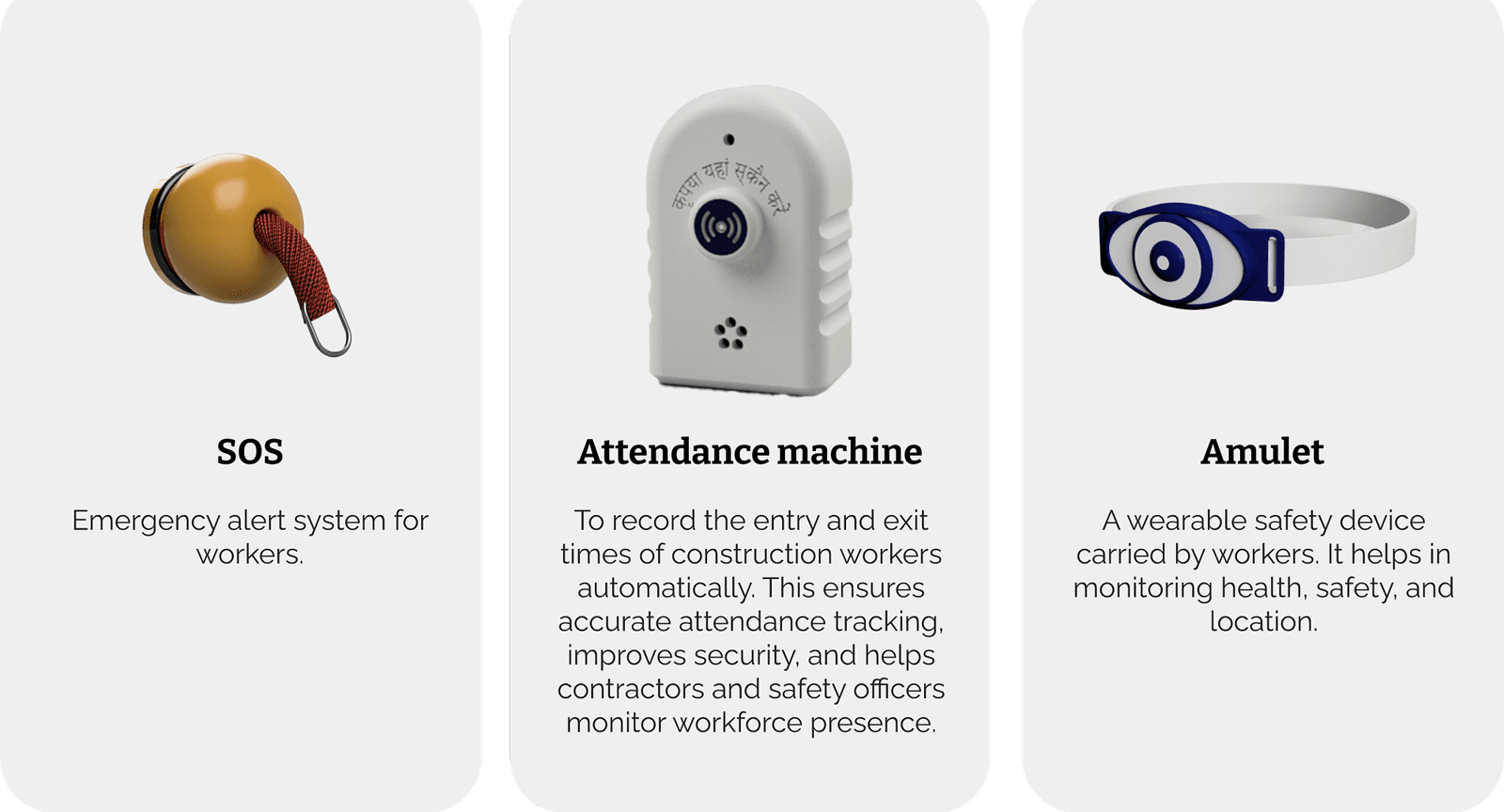
The primary touchpoint is a wearable and an entry gate, not a smartphone app
Instead of A worker-facing mobile app for check-ins, safety checklists, and hazard reporting
Expecting daily wage workers to manage phone battery, connectivity, and complex app forms while working on scaffolding is fundamentally flawed. We shifted the interaction entirely to physical RFID amulets and entrance scanners.
After Zero tech adoption barrier for migrant workers, with automated gear detection before entering site grounds.

Four roles, four actionable dashboards
Role-tailored dashboards rather than a single shared portal
Instead of A monolithic management dashboard showing all data to all supervisors
Monolithic dashboards overwhelm users with irrelevant notifications. A Safety Officer cares about unassigned gear breaches; a Foreman needs to report machinery breakdown; a Contractor tracks compliance penalties. Filtering by operational responsibility cut triage time drastically.
After Safety Officers, Foremen, and Contractors immediately see only the decisions they are empowered to execute.
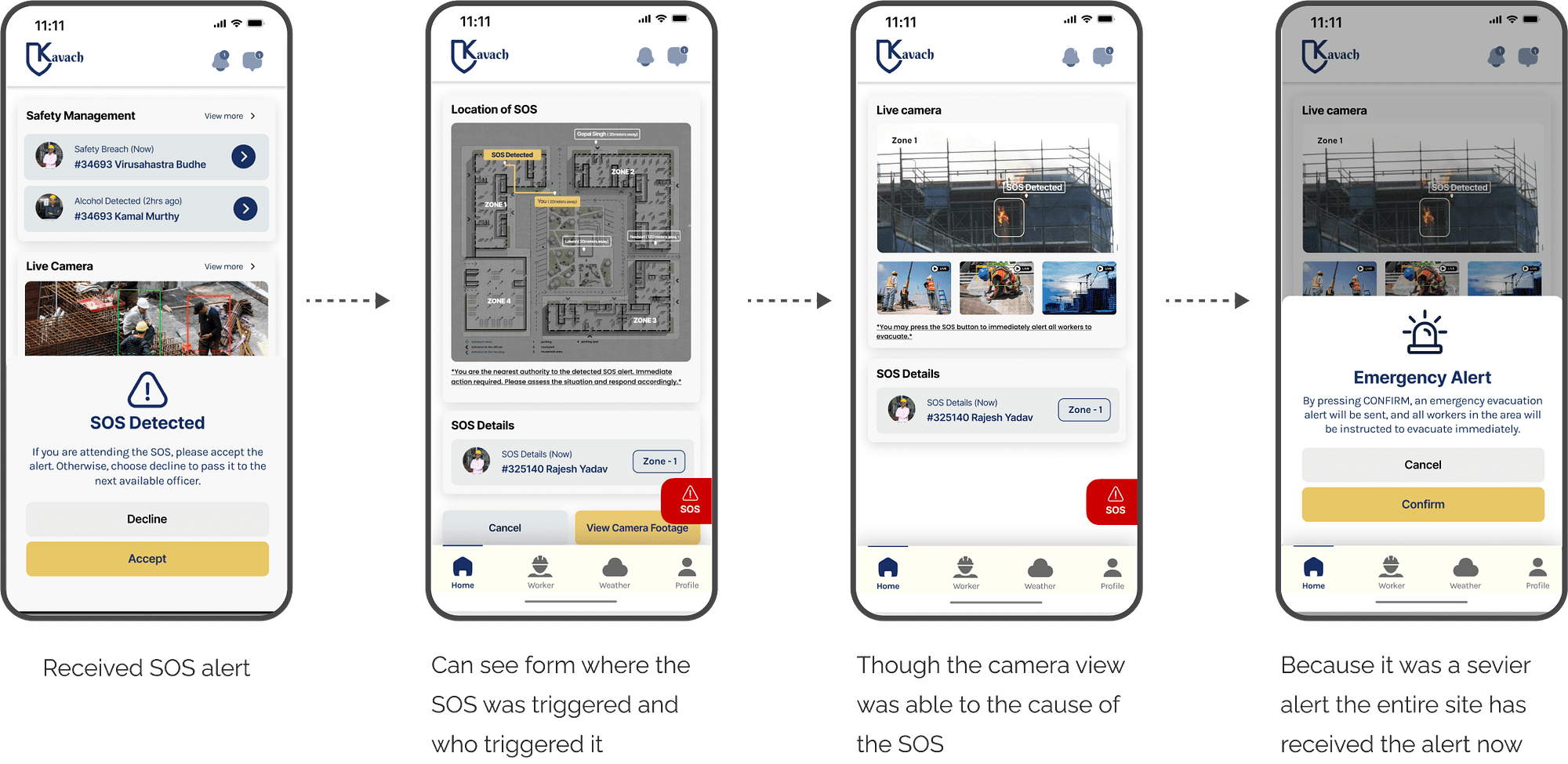
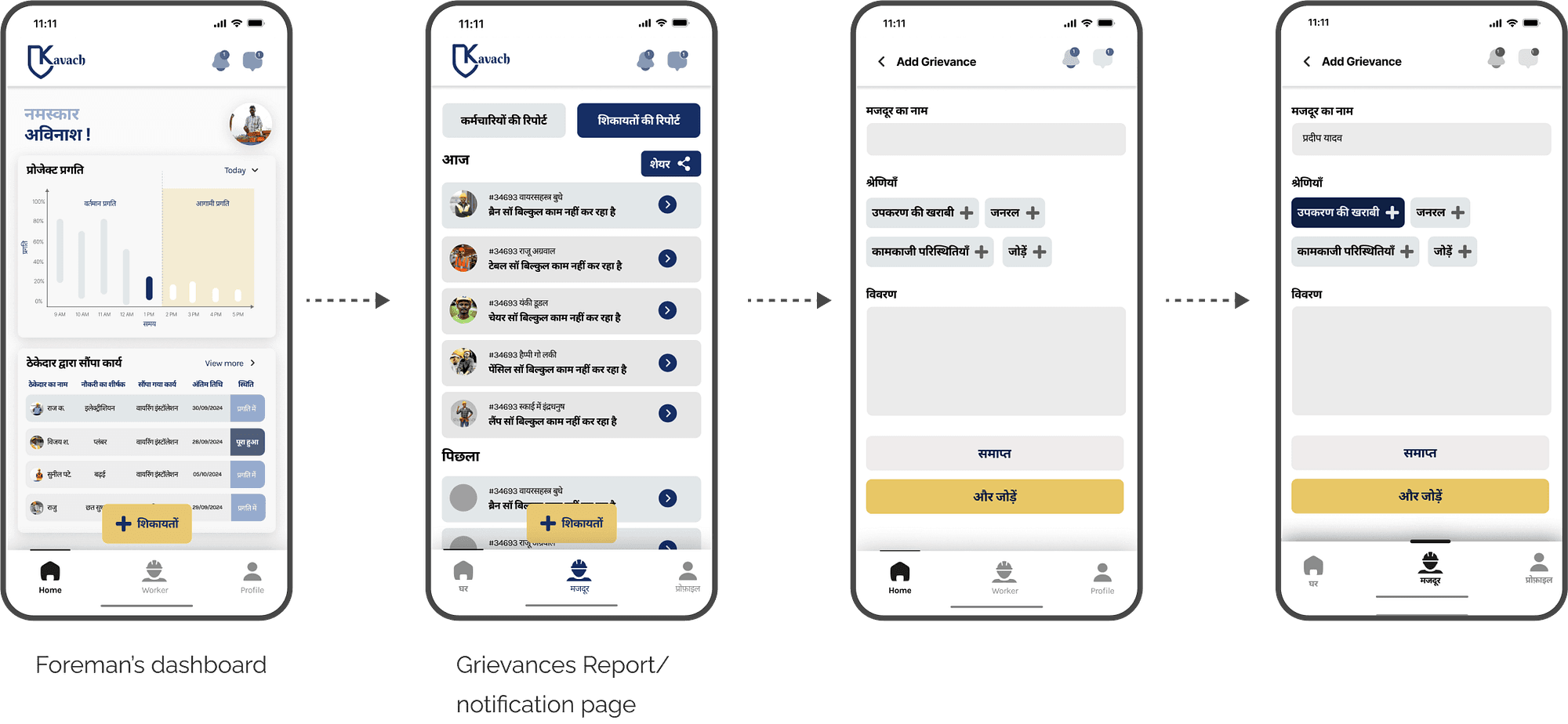
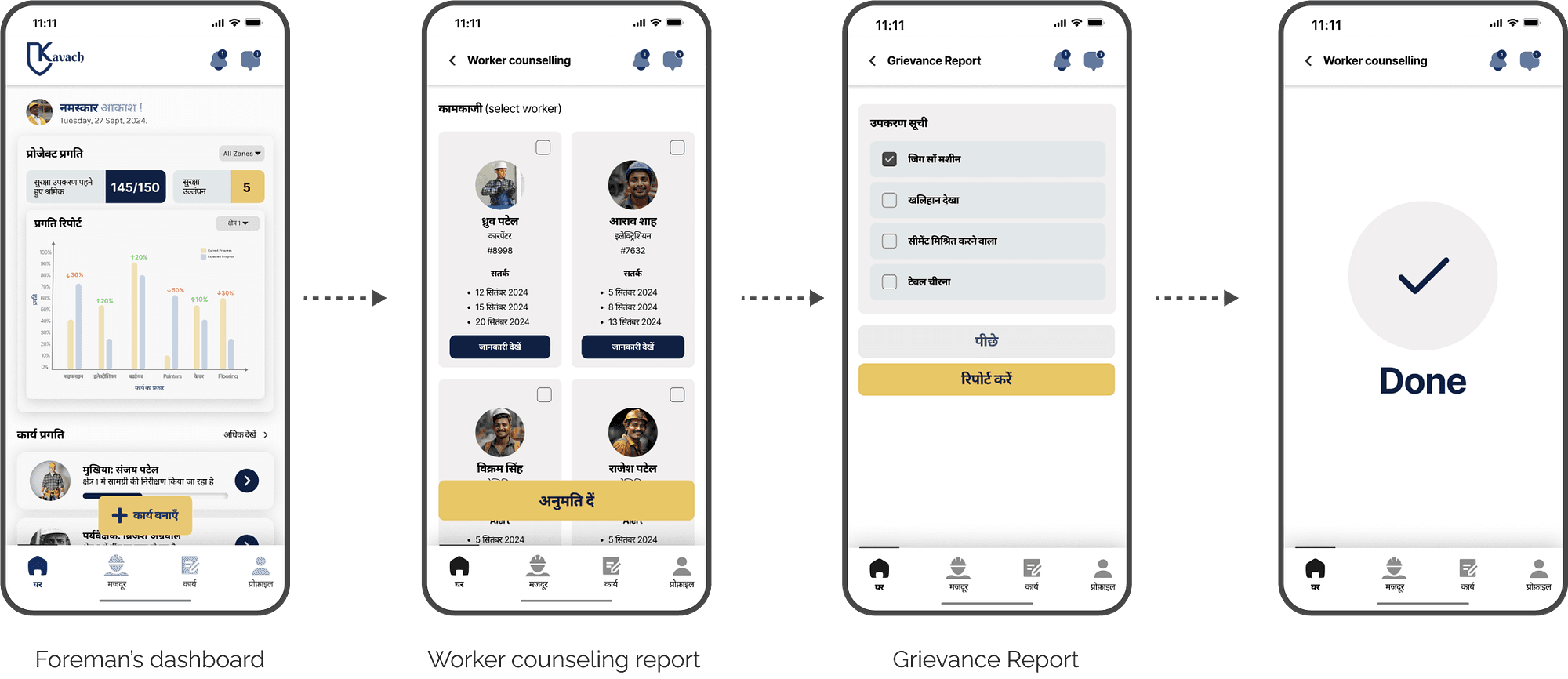
System architecture & business model
Integrate live weather into work schedules, not as push notifications
Instead of Weather warning alerts broadcast to supervisor phones
Notifications get muted during busy morning shifts. By baking meteorological forecasts directly into the master project timeline, the software prevents accidents before workers step onto wet scaffolding.
After Schedules automatically reallocate high-elevation scaffold shifts to sheltered ground tasks before rain begins.
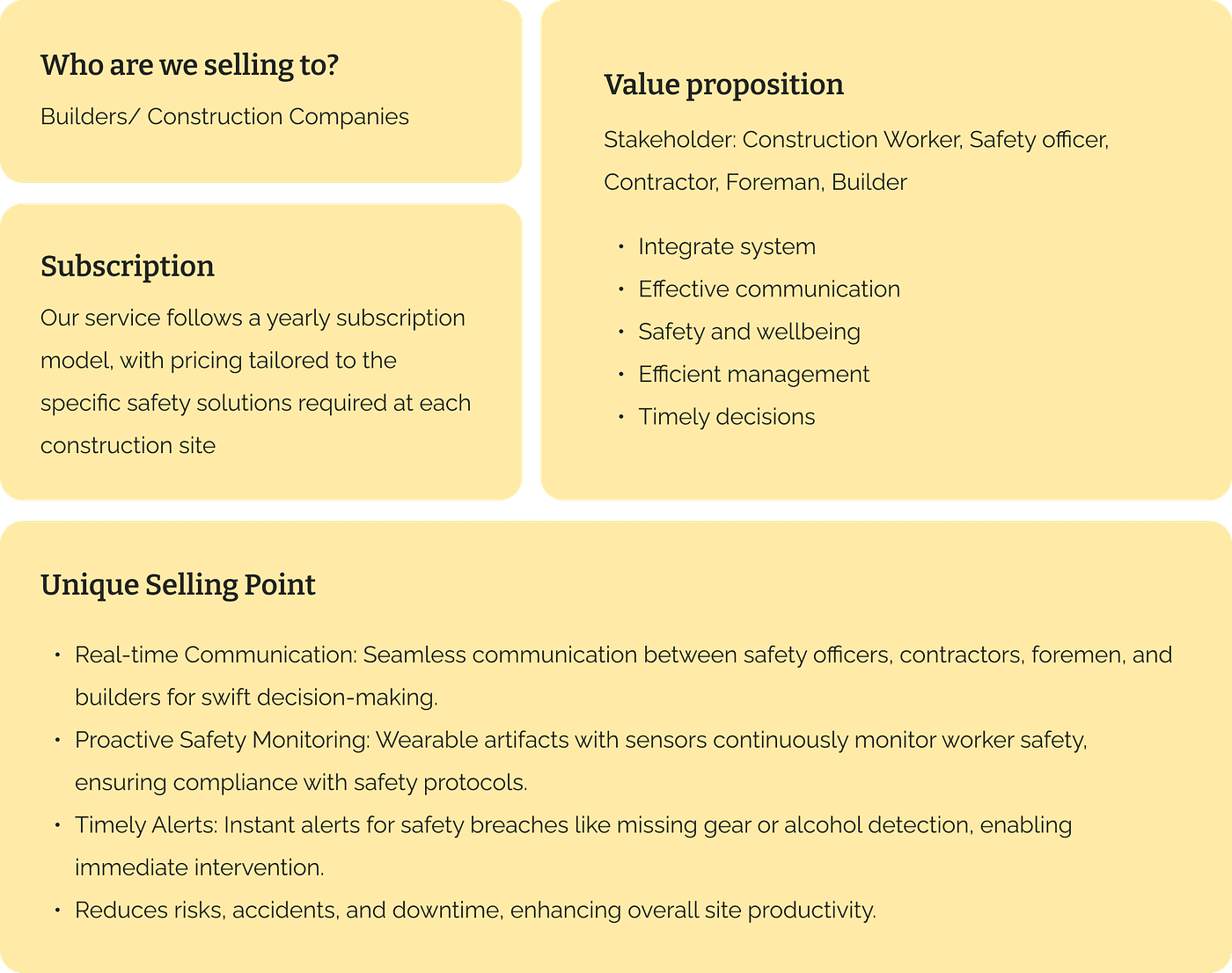
Project retrospective
- System thinking over visual polish: The multi-stakeholder mapping and incentives proved robust, validated by industrial site managers.
- Honest critique: If restarting today, I would test the tactile ergonomics directly with scaffold riggers on day one before detailing the digital desktop screens.